
Breaking Silos: Conversations that shaped the CUT Smart Cities international Conference
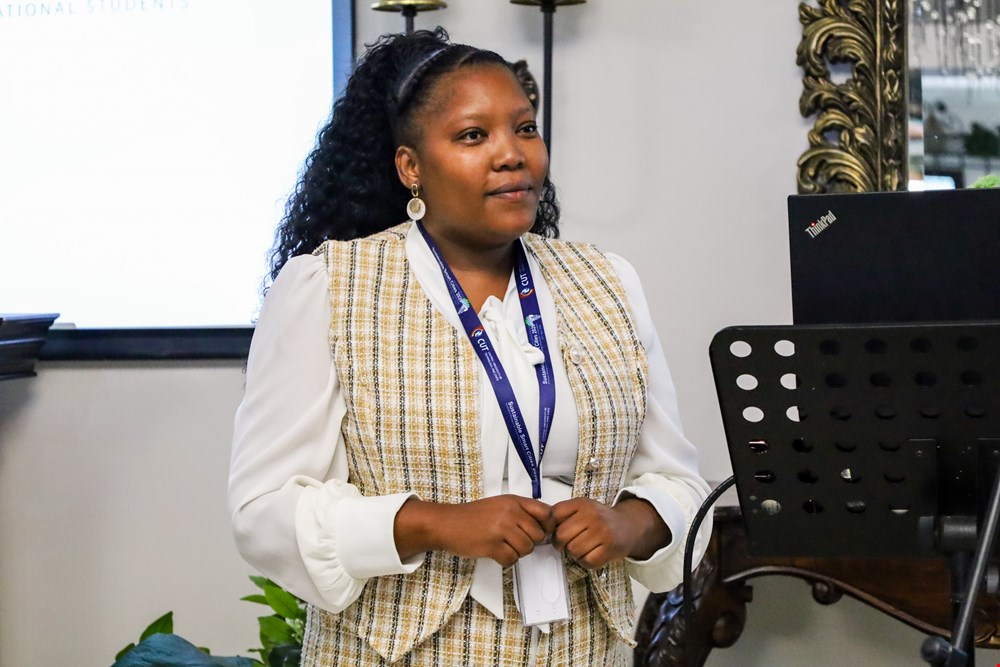
Meeting of minds sparks new vision for sustainable smart cities: Lindiwe Nkoala, a horticulturist working for the Free State Department of Agriculture, Rural Development, and Environmental Affairs.
The Faculty of Engineering, Built Environment and Information Technology’s International Conference on Sustainable Smart Cities was more than a gathering of experts; it was a true meeting of minds. Academics, industry professionals, and students from diverse backgrounds came together with a shared purpose: to reimagine cities that are smarter, more sustainable, and more inclusive.
For many attendees, the conference created space not only to learn, but also to rethink how they approach their own work. Samuel Waters, Lecturer: Department of Civil Engineering emphasised that complex urban challenges can no longer be addressed in isolation. “We can’t work in silos anymore,” he explained. “Engineering, IT, and the built environment are deeply interconnected, and our solutions need to reflect that.”
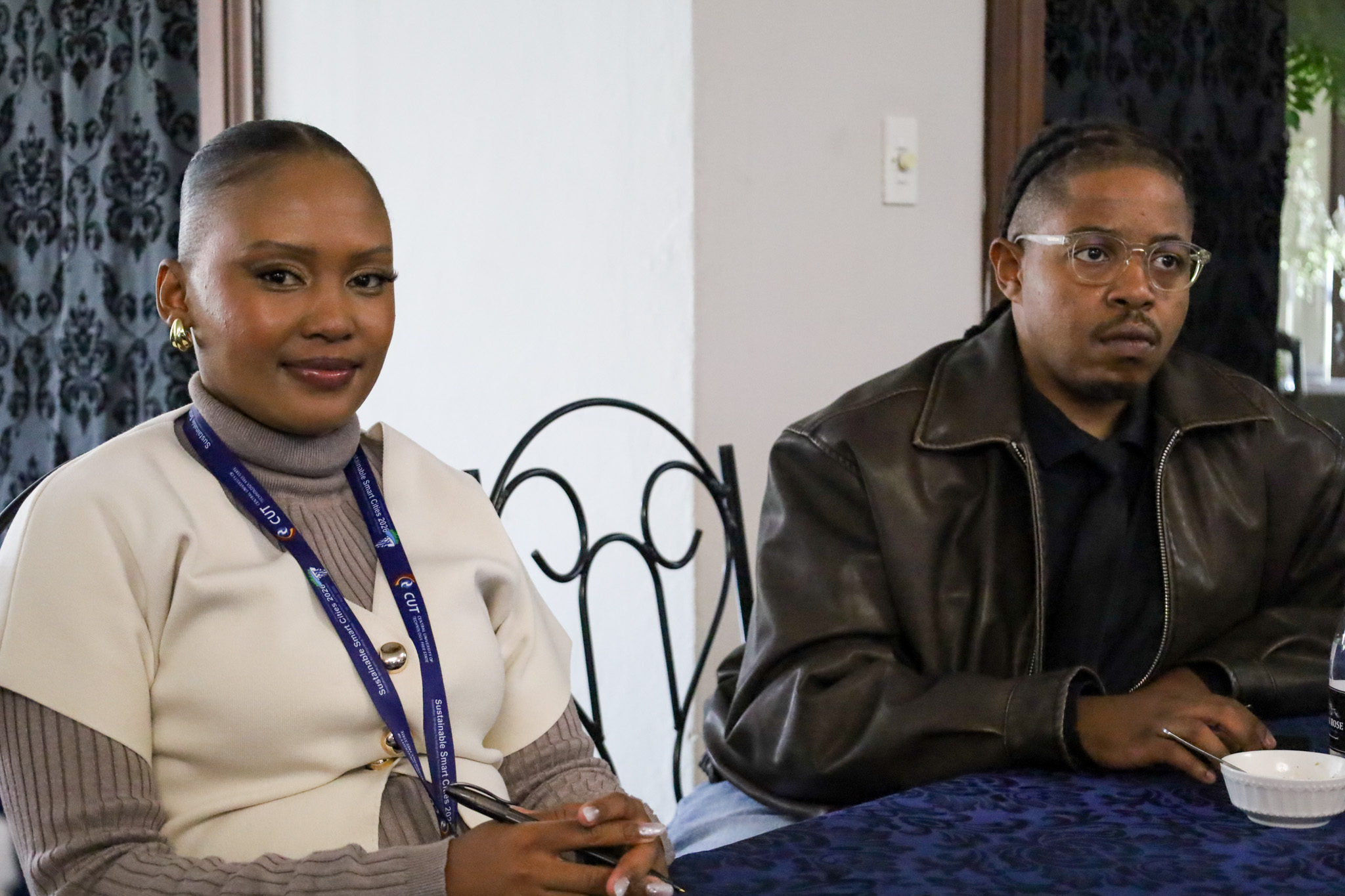
Attendees from MW Gumede Roof and Tile Construction, Ms Shoeshoe Mokoena and Mr Tankiso Samuel.
Industry perspectives added valuable depth to the discussions. Ms Shoeshoe Mokoena, a legal professional in the roofing and tile construction sector, attended such a conference for the first time with an open mind and left with fresh insights. One of her key takeaways was the urgent need for updated regulations, particularly around solar panel installations, where the absence of standardised guidelines often results in inconsistencies and costly complications. Reflecting on the keynote address by Prof. Johnson Kinyua, she noted how outdated policies can hinder innovation in both construction and renewable energy.
Adding a refreshing and often overlooked perspective was Ms Lindiwe Nkoala, a horticulturist with the Free State Department of Agriculture, Rural Development, and Environmental Affairs. She reminded attendees that smart cities are not solely about infrastructure and technology but also about people, food systems, and the environment. “Cities can’t be sustainable without people and vegetation,” she said.
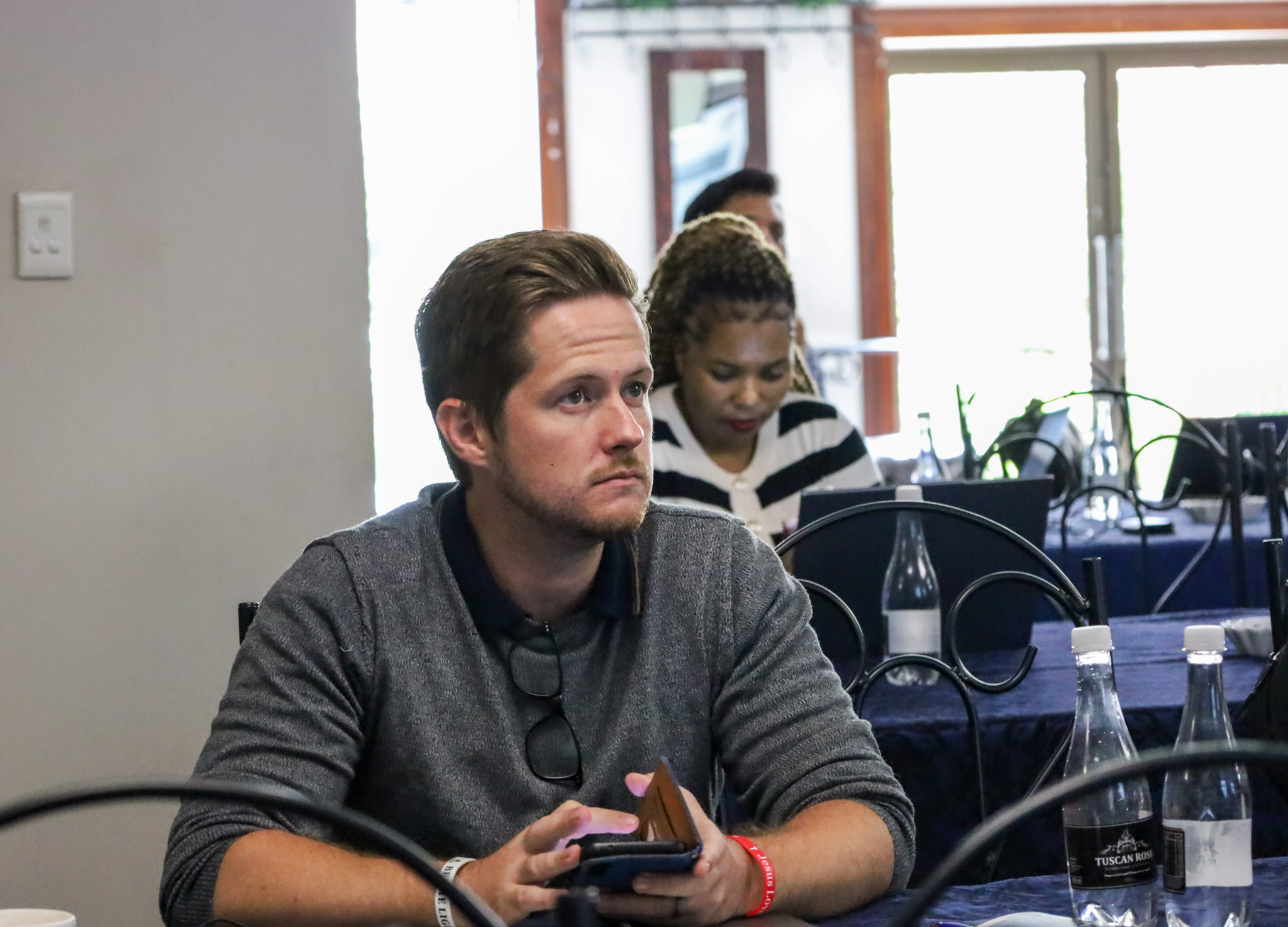
Breaking Silos: Samuel Waters, Lecturer in Civil Engineering, highlighted the need for integrated thinking, noting that engineering, IT, and the Built Environment must work together to solve complex urban challenges.
Lindiwe encouraged planners and technologists to recognise agriculture as a fundamental component of smart city development, particularly in strengthening food security. She also expressed optimism about the role of artificial intelligence in modernising farming systems and reducing reliance on manual labour.
Across all these conversations, one theme stood out clearly: integration. Whether aligning policy with innovation, incorporating agriculture into urban planning, or fostering collaboration between academia and industry, the conference underscored a vital truth that no single discipline holds all the answers.


