
News Articles
Entrepreneurship; tool to drive innovation and economy
Leadership
CUT News
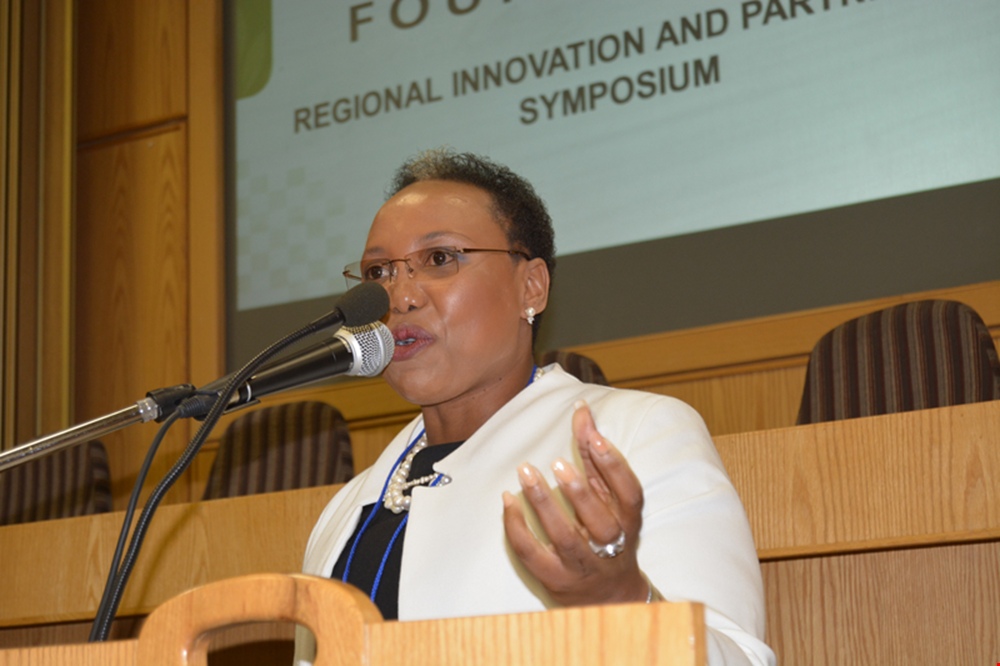
CUT hosted a two-day innovation and entrepreneurship education symposium, where two international experts from Finland and France helped us explore the role of innovation-driven partnerships in promoting entrepreneurship and regional development. The workshop covered a wide spectrum of issues ranging from problem-based learning to entrepreneurship and design thinking.
Ms Jaana Puukka and Mr Juha Hautanen, who are internationally experts on the role of higher education in regional development and the use of design thinking in entrepreneurship education, respectively, offered the workshop some fresh perspectives and advice on the current trends and practices that are followed widely by many successful regions around the world. "The role of universities is to invest in people and partnerships, embed entrepreneurship in teaching and research through projects that address the challenges and opportunities they find in the cities and regions in which they are located” said Puukka. She also said there was a challenge facing universities that are located in small or developing regions because these universities work hard to produce graduates who end up being attracted away from these cities by bigger and more prosperous cities or regions. “If universities want to play an active role in the economic development of their regions, they need to collaborate with other stakeholders (such as industry, the private sector, and regional governements) in order to benefit their regions, local communities, and industries.” While Universities are excellent drivers of innovation in their regions, Ms Jaana Puukka also highlighted the challenges that they face: creating an economy that will be able to absorb the same skill that they are creating for the market. Prof. Thandwa Mthembu, the CUT Vice-Chancellor and Principal, noted that as a university of technology, CUT cannot train and educate students like in the past but, rather, look at strategies that are used around the world and align the programmes they have within the institution with what is required by the market. Prof. Thandwa also thanked the other presenters in the workshop, namely Ms Lebo Mavimbela, CEO: Khula Foundation Ms Valerie Flanagan from the International Labour Organisation (ILO), and Ms Grace Shaba from the Free State Development Corporation for their valuable inputs. He also commended that staff and students for their invaluable contributions to CUT as an engaged institution that focuses on producing social and technological innovations for socio-economic development of the region. “What I see is that we are all willing to break the old cast of doing things, which is exciting! It means we can tweak things to reach our destination as an institution. As doers, we need to engage with broader society, business, and government. There is no way that we can be a successful region without sharing ideas, knowledge, vision, and resources.”
Image
Ms Lebo Mavimbela, CEO of Khula Foundation was a guest speaker at the symposium.
News


