
CUT International Teaching Week puts innovation, entrepreneurship and impact at the heart of education

Deputy Vice-Chancellor: Teaching and Learning, Prof. Mogomme Masoga, welcomed academics, international partners, and students from across Africa and beyond to the 2nd International Teaching Week.
The Central University of Technology, Free State (CUT) has brought together academic minds, international partners and students from across Africa and beyond for its 2nd International Teaching Week, which kicked off on 24 August 2026. Running until Friday, the dynamic five-day programme is creating a vibrant platform for global knowledge exchange, innovative teaching practices and meaningful collaboration, with a shared focus on shaping education that is more impactful, inclusive and future-ready. Participants include representatives from Namibia, Lesotho, Botswana, Ghana, Colombia and Kenya, as well as Universities South Africa (USAf), the Human Sciences Research Council (HSRC) and the University of the Witwatersrand.
In his welcoming address, Deputy Vice-Chancellor: Teaching and Learning, Prof. Mogomme Masoga, highlighted the evolving role of higher education in preparing students to thrive in an increasingly complex and rapidly changing world.
He emphasised that universities are no longer expected merely to transfer knowledge but to serve as enabling environments that spark innovation, nurture entrepreneurial thinking and equip graduates with the agility to respond to changing socio-economic realities.
“This requires a shift from traditional teaching approaches towards a pedagogical model that cultivates creativity, problem-solving, adaptability and opportunity recognition,” Prof. Masoga said.
He noted that education has become a critical vehicle through which universities can equip graduates with the knowledge, skills and dispositions needed to navigate uncertainty, create value and contribute meaningfully to sustainable development. He further emphasised that entrepreneurship should not be viewed solely as a discipline-specific endeavour, but as a cross-cutting graduate attribute embedded across all fields of study. “By integrating entrepreneurial thinking into the curriculum, teaching and learning, universities can enhance graduates’ employability, foster innovation and contribute to a broader economy. Universities of the future must do more than prepare graduates for jobs, it must empower them to create opportunities, solve real-world challenges and shape the future,” Prof. Masoga said.
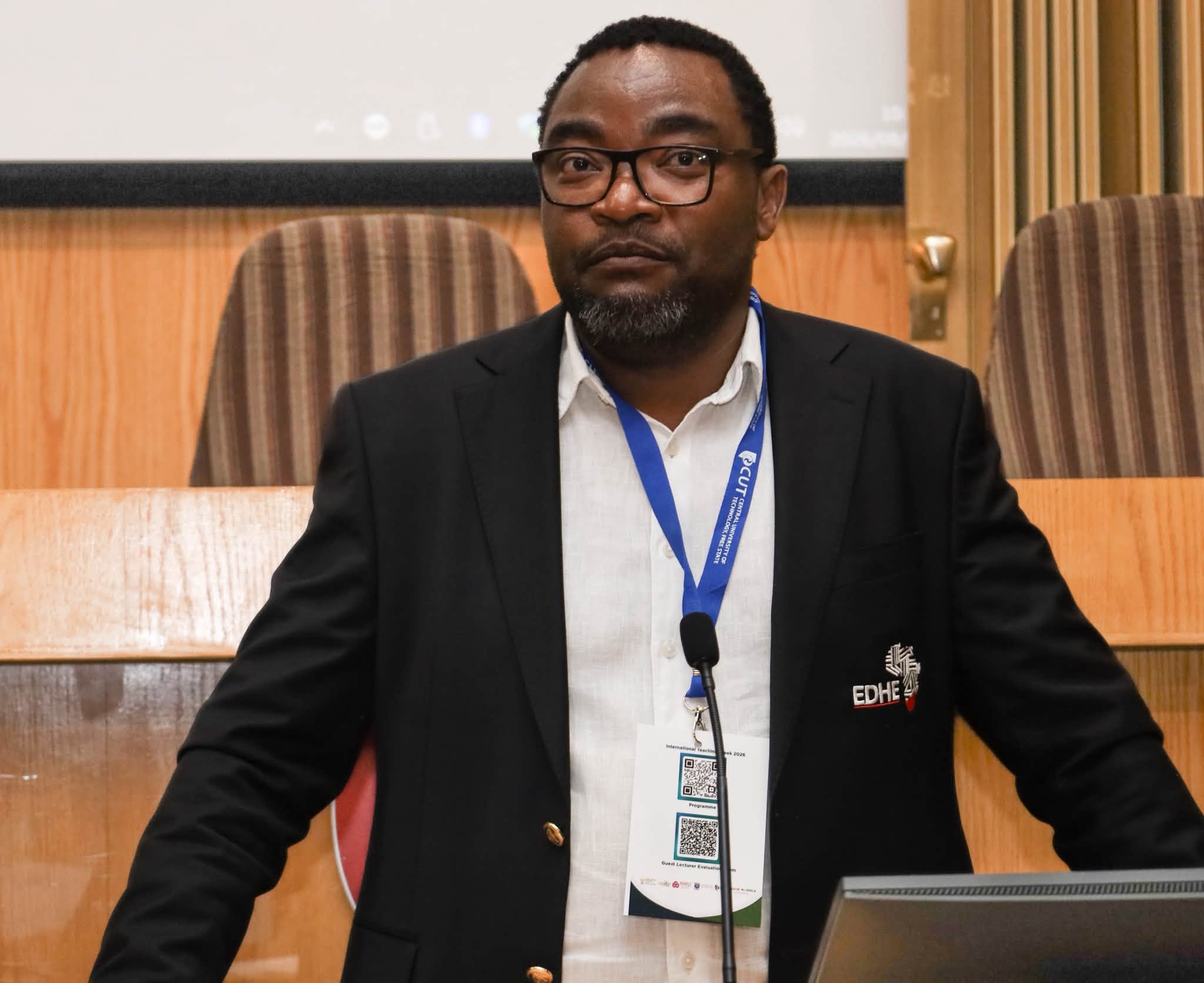
Dr Edwell Gumbo, Director: Entrepreneurship Development in Higher Education at Universities South Africa (USAf), challenged universities to rethink the kind of graduates they aspire to develop, individuals who are not only equipped for employment, but who are also problem-solvers, innovators, opportunity creators and changemakers capable of shaping Africa’s future.
Dr Edwell Gumbo, Director: Entrepreneurship Development in Higher Education at Universities South Africa (USAf), emphasised the need for universities to move beyond the traditional delivery of academic content and focus on developing graduates who can create value, solve real-world problems and thrive in a rapidly changing world.
He said that entrepreneurship should not be understood solely as the ability to start a business, but as a mindset and set of capabilities that enable students to identify opportunities, innovate, collaborate across disciplines and develop meaningful responses to societal issues.
Dr Gumbo called for a fundamental shift from content coverage to capability development; from teaching entrepreneurship as a stand-alone subject to embedding entrepreneurial thinking across the curriculum; and from innovation for innovation’s sake to innovation that generates sustainable social and economic impact.
He challenged universities to rethink the kind of graduates they seek to produce, graduates who are not merely job seekers, but problem-solvers, innovators, opportunity creators and changemakers equipped to shape Africa’s future. “Higher education must empower graduates not only to enter the economy, but to contribute to it by creating solutions, generating opportunities and making a meaningful difference in society.”
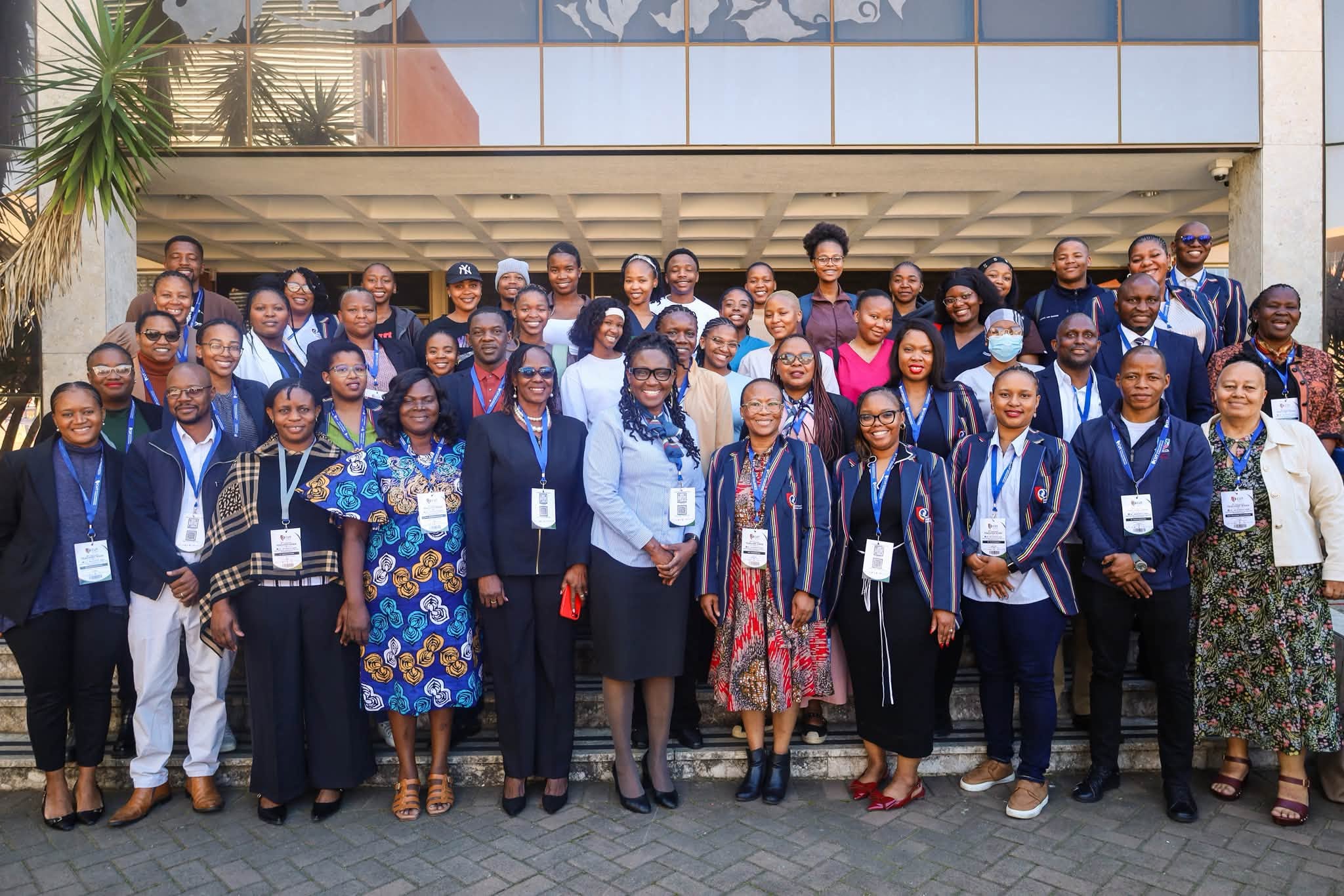
Participants from Africa and beyond came together to share best pedagogical practices at the 2nd International Teaching Week held at CUT Bloemfontein Campus.


